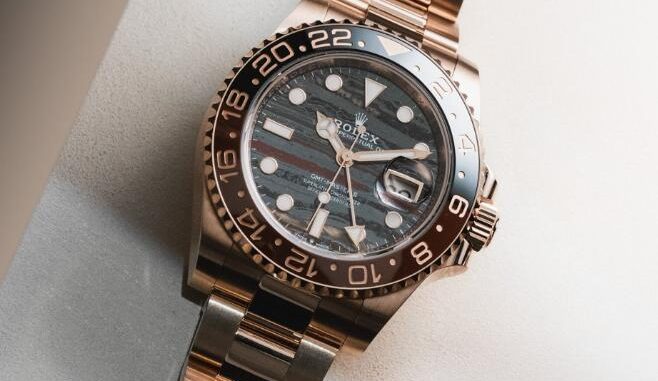
In the UK, the replica watch market has become more sophisticated than many people realise.
Buyers are no longer making impulsive decisions based solely on photos—they are forming habits,
checklists, and personal benchmarks for identifying whether a replica is worth buying.
These habits are rarely discussed publicly, but they appear consistently in buyer reviews, watch forums,
and private feedback.
One recurring theme is that UK buyers gravitate toward structured catalogues—such as
this curated range of timepieces—because having a
predictable quality baseline makes the comparison process much easier.
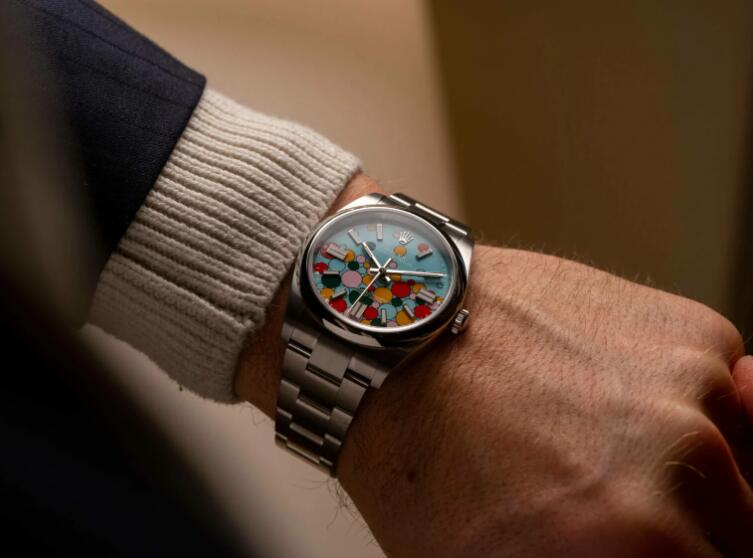
It Starts With a Simple Question: “Does This Feel Right in the Hand?”
Before a watch ever lands on a wrist, buyers in the UK make surprisingly accurate judgments just by
handling it for a few seconds. The first touch tells them whether the watch was assembled with care or
rushed through production.
A watch shouldn’t feel hollow or overly dense
A good replica carries weight, but not the kind that feels artificially heavy.
Buyers instinctively notice whether the internal structure feels stable. If the weight distribution seems
uneven, they assume shortcuts were taken.
The click of the clasp exposes craftsmanship more than most people expect
Many buyers describe the clasp as the “truth-teller.”
A confident, smooth click signals precision and reliability.
A thin, tinny snap immediately raises suspicion—even if the watch looks attractive on the outside.
The Lighting Test: Where Most Replicas Fail
UK buyers know how dramatically lighting can expose flaws in replica watches.
That’s why they tilt the watch gently under daylight or a soft indoor lamp.
In natural lighting, details become honest:
- brushed surfaces either glow evenly or reveal scratches
- polished edges either transition cleanly or blend awkwardly
- dial printing either holds crisp clarity or becomes slightly fuzzy
Buyers trust lighting more than any seller description.
They rely on their eyes rather than promises.
Why Dial Execution Matters More Than Case Accuracy
Collectors often debate case shape or bezel angle.
UK buyers, however, tend to focus more on the dial because it is what they interact with every moment they
wear the watch.
Markers must sit confidently—not “just close enough”
Even slight misalignment creates a distracting inconsistency.
UK buyers expect markers to follow the minute track perfectly.
If a marker leans or sits off-centre, the watch loses credibility instantly.
Colour tone is judged against memory, not technical specs
Few buyers have the original watch for comparison.
They rely on their memory of boutique displays, magazine photos, or YouTube reviews.
If the colour feels “off,” trust erodes.
Lume tells a story of patience or haste
Uneven lume doesn’t just look messy—it tells buyers the watch was assembled in a hurry.
Balanced lume reflects the patience of someone who cared about the result.
The Bracelet Is Still the Most Overlooked—Yet Most Critical—Feature
Bracelets determine whether a watch becomes part of a person’s daily routine or just another item in a box.
UK buyers know this, so they examine bracelet behaviour closely.
Rattling links are an immediate red flag
A bracelet should articulate smoothly, not rattle like loose change.
Buyers gently shake the watch to listen for stability.
Noise equals cheap construction—there’s no way around it.
Comfort often outweighs visual accuracy
Surprisingly, many UK buyers prioritise comfort over perfect 1:1 design.
A bracelet that hugs the wrist naturally is far more valuable than one that merely copies the original shape.
How UK Buyers Evaluate Sellers Without Saying It
Before spending money, buyers quietly evaluate the seller through several cues—many of which sellers
rarely pay attention to.
Does the website feel organised?
A chaotic or inconsistent layout signals low accountability.
Structured catalogues—like
this reliably presented collection—give buyers
confidence that the retailer has actual standards.
Do product photos hide imperfections?
Over-edited photos make buyers nervous.
Natural lighting feels honest; artificial shine feels deceptive.
UK buyers don’t need perfection—they need truth.
Is communication direct, or vague?
Buyers value specific answers: case dimensions, finishing details, bracelet construction, packaging style.
Anything vague feels like avoidance and reduces trust.
The Real Reason Replica Watches Are Growing in Popularity
Many assume replica watches are just affordable alternatives.
UK buyers reveal a deeper perspective:
Replicas provide freedom.
Freedom from anxiety
No fear of scratches, knocks, or theft.
No pressure to baby a watch.
No need for insurance or special storage.
Freedom to rotate styles
Instead of saving for one original watch, buyers can enjoy several designs—dress, diver, sport, aviation—depending
on the day.
Freedom to simply enjoy the object
When price ceases to be a barrier, buyers rediscover the joy of wearing a watch for its design rather than its value.
The Unspoken Decision Process: What Finally Pushes Buyers to Say “Yes”
Before committing, UK buyers make a final mental calculation based on three pillars:
- Does the watch feel honest?
The weight, finishing, dial, and bracelet must behave consistently. - Is the sourcing reliable?
A retailer with predictable quality—such as
https://swissmade.uk.com—reduces the risk of regret. - Will I enjoy wearing this?
Buyers want a watch that integrates naturally into their routine.
When all three align, the purchase becomes effortless.
The Future Direction of the UK Replica Watch Market
The UK is becoming one of the most mature replica markets in Europe.
Buyers know what they want: refinement, consistency, and transparency.
Sellers who meet these expectations will shape the next chapter of the industry.
For now, one thing is clear: UK consumers aren’t chasing shortcuts—they’re chasing quality they can trust
without unnecessary risk.